The Difference Between Teaching Poses and Teaching People
One sentence quietly changed the way I teach.
Not because someone said it to me but because one day I realized I had been teaching poses more than I had been teaching people.
At first, that probably sounds strange. After all, yoga classes are full of poses.
But over the years I've realized those poses aren't actually what people come for.
They come carrying stress.
Grief. Joy.
Injuries. Self-doubt.
Curiosity. Exhaustion.
The pose is simply where we happen to meet them.
It's Easy to Teach the Pose
Most teacher trainings spend hundreds of hours teaching us what poses should look like.
Alignment. Benefits.
Contraindications. Progressions.
Variations - all of that are important.
We need that knowledge.
But knowing a pose doesn't automatically prepare us for the human being practicing it.
Those are two different skills.
“A pose never walks into your class.
A person does.”
Knowledge Matters. But It's Not the Whole Story.
Please don't misunderstand me.
Knowledge matters.
Learning anatomy matters. Understanding movement matters. Studying philosophy matters.
I hope we never stop learning.
But knowledge is only useful if it changes the experience of the person standing in front of us.
I've watched teachers deliver beautifully constructed classes that left students feeling disconnected. ( I’ve been this teacher )
I've also watched teachers make small mistakes, forget which side they were on, laugh about it, and somehow leave the room feeling more connected than anyone else. ( I’ve been this teacher too )
Why?
Because students rarely remember every cue we gave. They remember how they felt while we were teaching.
“Students rarely remember every cue we gave.
They remember how they felt while we were teaching.”
Every Student Is Practicing a Different Class
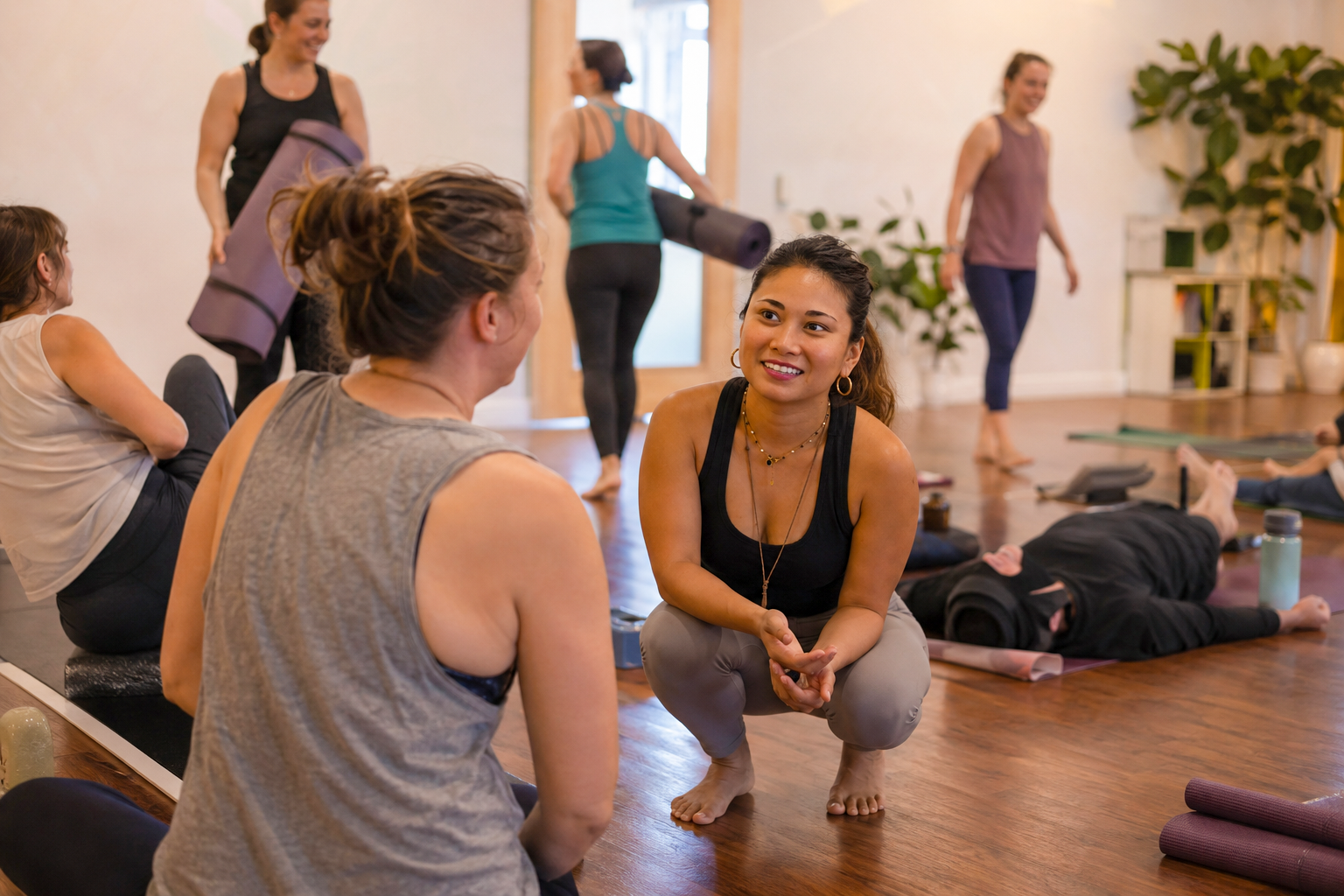
This is something I notice almost every week.
Five students can all be practicing the exact same sequence.
One is rebuilding confidence after an injury. Another just lost someone they love.
One slept four hours. Someone else is celebrating good news.
Another is simply trying to survive a stressful week.
Externally, they're doing the same pose.
Internally, they're living completely different experiences.
The longer I teach, the less interested I become in making everyone look the same.
I'm much more interested in helping each person find what they need inside the practice.
Observation Changes Everything
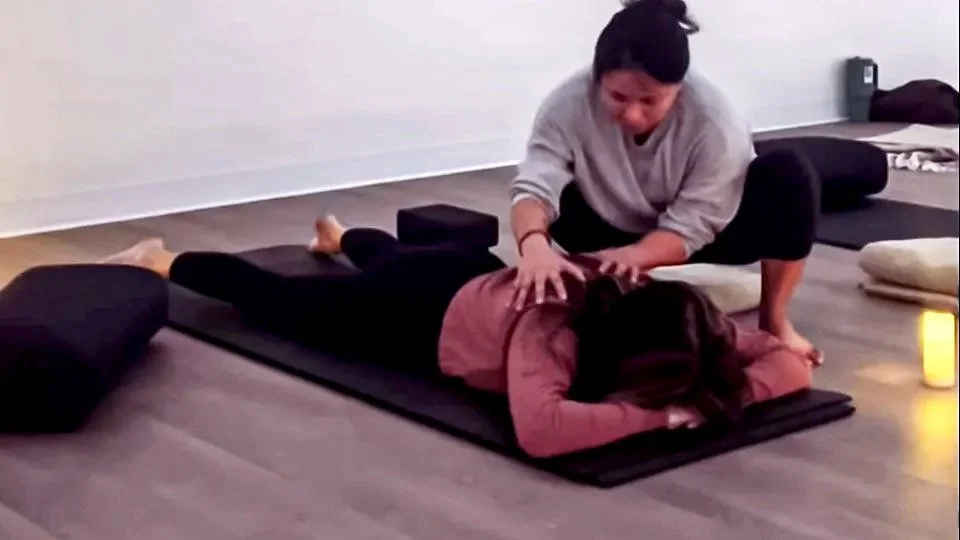
The moment we stop teaching the room as one group...
...and begin noticing individuals...
our teaching changes.
Our language changes. Our pacing changes.
Our assists change.
Sometimes our entire lesson plan changes.
Not because we abandoned structure but because we responded to reality.
That's something no sequence can teach.
“The best teachers don’t simply deliver a class.
They respond to the room that’s in front of them.”
This Doesn't Mean We Abandon Alignment
Sometimes people misunderstand this idea.
Teaching people doesn't mean alignment suddenly doesn't matter.
It doesn't mean anatomy disappears or stop refining movement.
It simply means those things stop becoming the destination.
Instead, they become tools.
We use them to support the person rather than expecting the person to fit the pose.
It's a subtle shift.
But it changes almost everything.
Presence Is a Teaching Skill
One thing I don't think we talk about enough is presence.
Students know when we're fully with them. They also know when we're thinking about what cue comes next.
Or whether we forgot a sequence.
Or whether we're worried about saying the wrong thing.
Presence isn't something mystical.
It's attention.
It's listening.
It's allowing yourself to stay curious instead of rushing toward the next instruction.
Ironically, some of the most impactful moments in class happen during the few seconds we choose not to say anything at all.
“Presence is often the most helpful cue you’ll never say out loud.”
Before You Teach Your Next Class
As students begin arriving, pause before you start teaching.
Look around the room.
Instead of asking,
"What sequence am I teaching today?"
Try asking,
"Who is here today?"
You may end up teaching a very different class.
If You Remember One Thing…
Yoga teachers don't simply teach movement.
We teach people who happen to be moving.
The moment we remember that, our classes become less about performance and more about connection.
And in my experience...
that's where the real teaching begins.
Continue Learning
If this article resonated with you, here are a few places to continue your journey. Whether you're looking for practical teaching tools or ready to deepen your understanding through mentorship and continuing education, I'd love to support you.
You May Also Enjoy