What We Carry, What We Cast
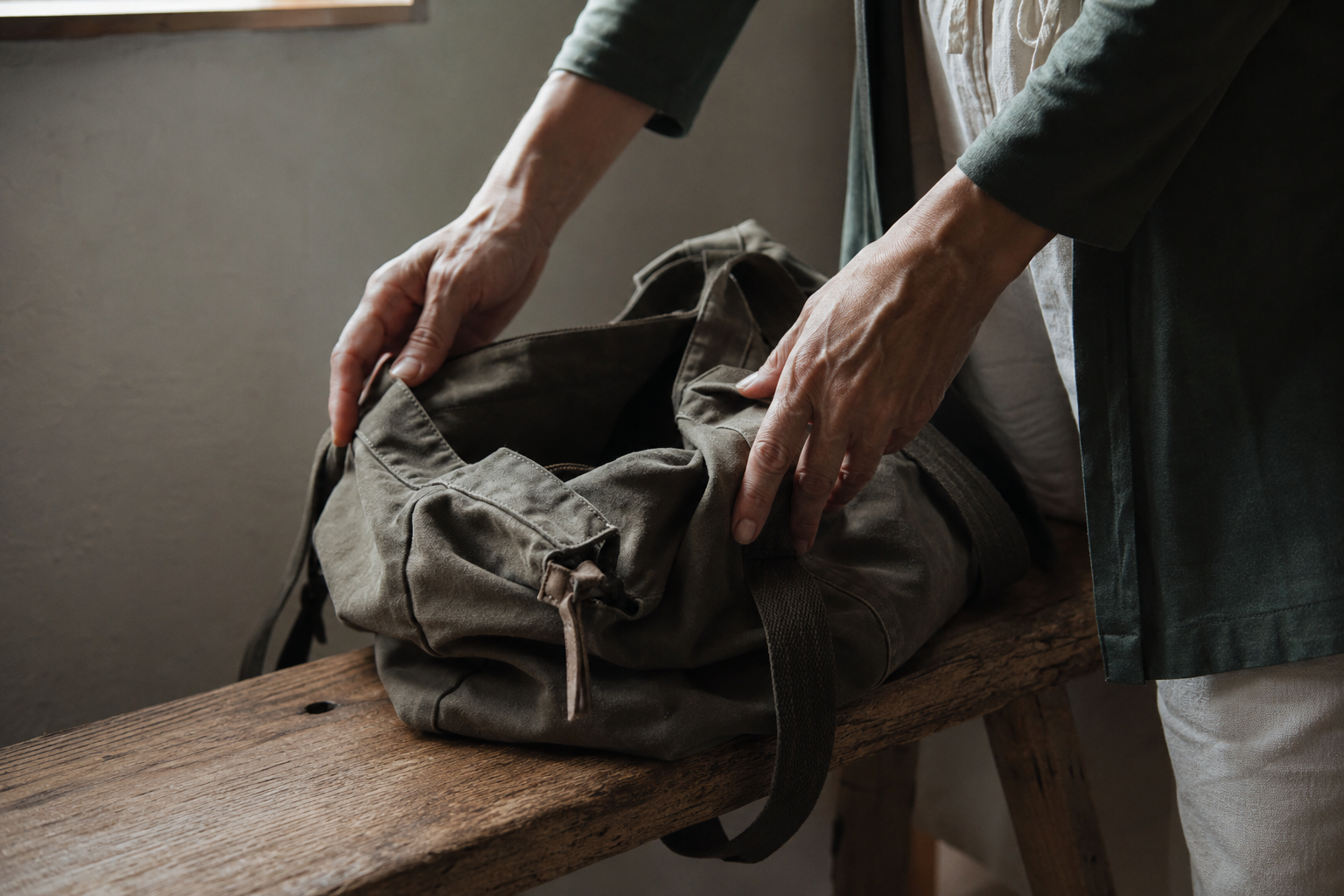
What We Carry, What We Cast
Find a comfortable position.
Allow your body to settle.
Let the ground beneath you carry your weight.
There is nothing else to do right now but be here.
Nothing to solve. Nothing to defend.
Just this moment.
Take a slow breath in through the nose.
And gently exhale through the mouth.
Again.
Breathing in.
And breathing out.
One more time.
Breathing in.
And letting go.
In your next slow, deep inhalation, notice the places where your body is gripping.
The forehead.
The jaw.
The shoulders.
The hands.
And as you slowly exhale, invite them to soften.
Not because life is easy but because you deserve a moment where you are not bracing against it.
Take another breath.
Slow inhale.
Even slower exhale.
The human mind is an incredible storyteller. It works hard to make sense of pain.
Working hard to explain discomfort.
Working hard to protect us from things we don’t yet understand.
And sometimes, in that effort, we place our pain somewhere else…
We hand it to another person.
We assign it a face.
A name.
A target.
Not because they caused it, but because carrying it ourselves feels too difficult.
Take a slow inhale.
And exhale gently.
In psychology, some of this is described as projection.
In everyday life, it looks like certainty.
It looks like assuming someone’s intentions.
It looks like reacting before understanding.
It looks like making another person responsible for feelings we haven’t t yet explored within ourselves.
And if we are honest… we have all done it.
Not because we are bad people, but because we are human.
Inhaling slowly here, and exhaling softly.
And notice how often a reaction arrives before awareness.
A sharp word.
A quick judgment.
A defensive response.
An assumption.
A conclusion.
Before curiosity ever gets a chance to enter the room.
Yoga teaches us something powerful about this.
Between stimulus and response, there is a breath.
A space.
A pause.
And within that pause lives freedom.
The freedom to choose something different.
The freedom to become aware instead of automatic.
The freedom to witness instead of immediately react.
Take a slow breath in.
And let it go.
Imagine for a moment that every difficult interaction is like looking into a mirror.
Not because the other person is always right or that their behavior is acceptable, but because every strong reaction carries information.
It presents an opportunity to ask ourselves:
“What am I protecting?”
“What am I afraid of?”
“What story am I telling?”
“What wound has been touched?”
Notice what happens when you ask those questions.
Not with judgment.
With curiosity.
Because awareness is where healing begins.
Take another slow inhale.
And exhale gently.
Many of us move through life carrying old hurts.
Old disappointments.
Old betrayals.
Old fears.
And without realizing it, we hand those experiences to people who never created them.
We expect them to heal what they didn’t break.
Or we punish them for wounds they didn’t cause.
Sometimes this becomes displacement:
The mind redirecting what feels too heavy to hold toward someone who didn’t cause it.
But healing asks something different.
Healing asks us to turn inward.
To become brave enough to sit with our own discomfort.
To recognize what belongs to this moment and what belongs to the past.
Take another full breath.
Slow and steady.
In yoga philosophy, there is the practice of Svadhyaya.
It means self-study.
The willingness to observe ourselves honestly.
Not to criticize. Not to shame.
But to understand.
To become students of our own minds.
To notice our patterns. To notice our habits.
To notice the stories we repeat until they begin to feel like truth.
Take a deep breath in.
And slowly release it.
Maybe wisdom is not found in never reacting.
Perhaps it is found in noticing the reaction before it becomes action.
In recognizing the story before it becomes reality.
In feeling the emotion without handing it to someone else.
Take another long slow inhale.
And an even longer, slower exhale.
Feel the ground beneath you.
Feel the breath moving through you.
Feel the quiet space that exists between one breath and the next.
And as you remain here for a few moments longer, I invite you to remember this:
Not every thought deserves your belief.
Not every feeling requires a response.
Not every reaction reveals the truth.
Sometimes the deepest practice is simply pausing long enough to ask:
“What am I truly carrying?”
And then meeting the answer with honesty.
With compassion.
And with the courage to set it down.