
TEACHING PHILOSOPHY
Teaching begins long before the first cue.
Every class is more than movement.
Long before students remember the sequence, they remember how they felt in your presence.
Good teaching isn't built on complicated choreography or perfect Sanskrit. It begins with observation, curiosity, and the willingness to respond to the person in front of you, not just the pose.
That belief shapes every class I teach, every teacher I mentor, and every training I create.
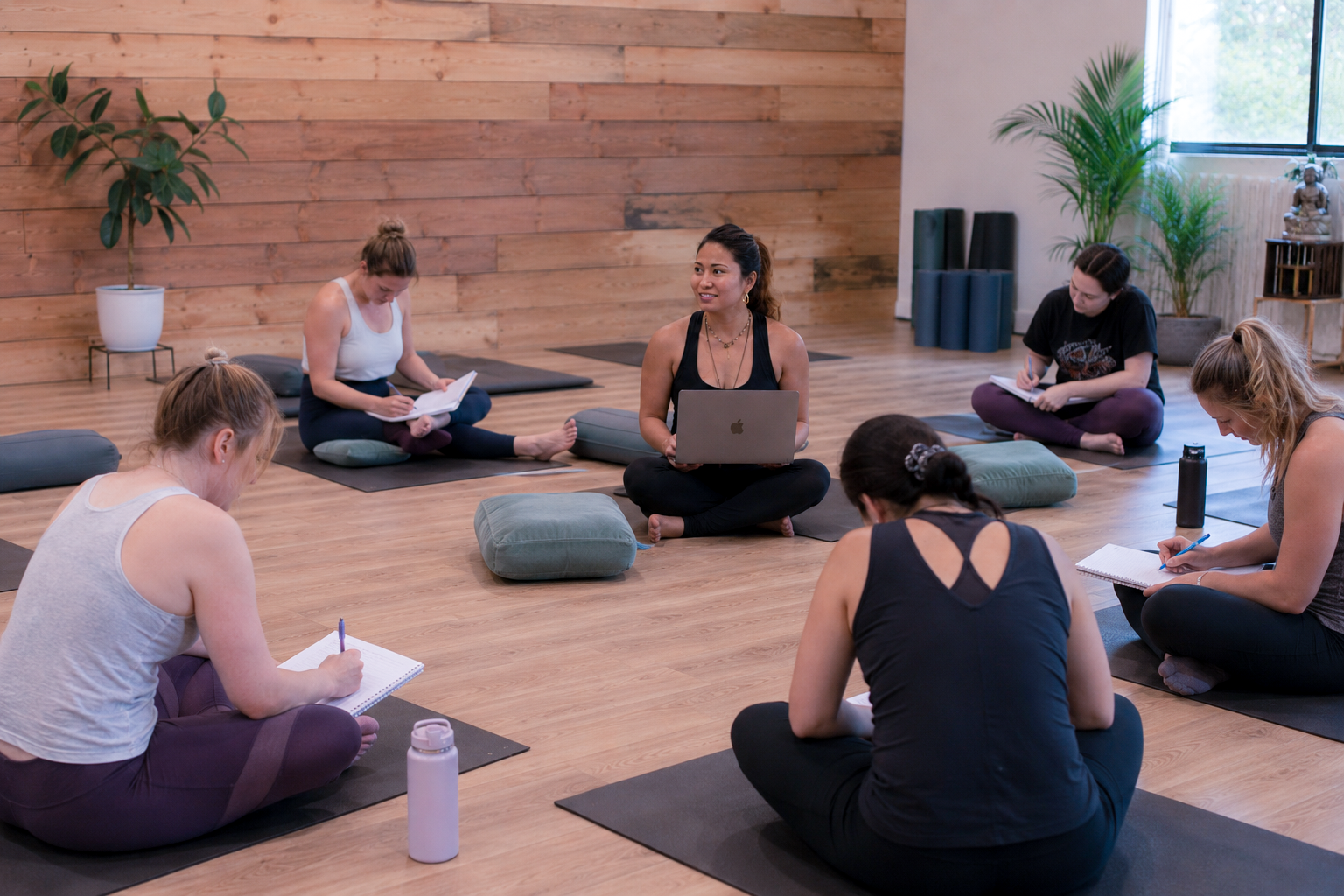
What I believe about teaching
These beliefs weren't created in a weekend training.
They've been shaped through thousands of hours of teaching, mentoring, observing, making mistakes, and continually learning from the people who trusted me to guide them.
-
People rarely remember every pose they practiced.
They remember whether they felt safe.
Whether they felt respected.
Whether they felt understood.
Teaching begins by seeing the human being before seeing the movement.
-
The body often tells us what words cannot.
How someone breathes.
How they hesitate.
How they compensate.
How they rush.
How they avoid.
Observation is one of the most valuable teaching skills we can develop because movement often reveals what conversation never will.
-
Knowledge gives us confidence.
Presence gives students trust.
One without the other is incomplete.
The most skillful teachers continue developing both throughout their entire career.
-
The best teachers rarely believe they've arrived.
They ask questions.
They stay students.
Every class becomes another opportunity to understand people a little more deeply.
-
A sequence is a plan.
Teaching is a relationship.
No plan should become more important than responding to the human being in front of you.
-
Students aren't there to admire us.
They're there to understand themselves.
Everything we do should support that.
When students leave feeling more capable, more curious, and more connected than when they arrived, we've done our job.
“The quality of our teaching is measured less by what we know and more by what our students are able to discover because of us.”
How this philosophy shows up in my teaching
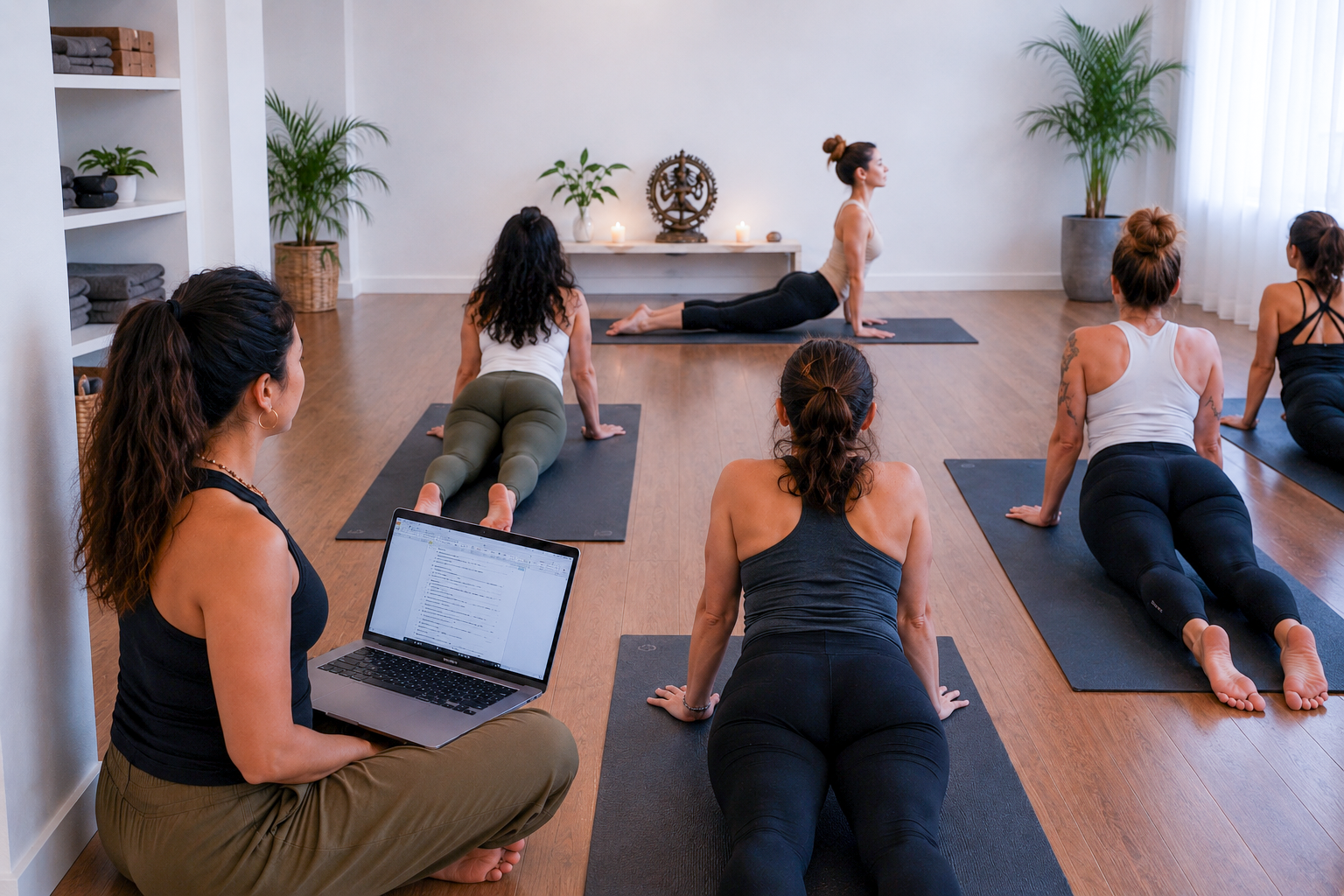
Ideas only matter if they change the way we teach.
These principles influence every training, mentorship conversation, continuing education workshop, and yoga class I lead.
Observe before correcting.
Take time to understand what you're seeing before deciding something needs to change.
Understand before assuming.
Look beyond alignment and become curious about the person creating the movement.
Ask before assisting.
Consent builds trust.
Trust creates better learning.
Teach the person.
Not the pose.
Movement should always serve the human being - not the other way around.
Choose clarity over complexity.
Simple teaching often creates deeper learning than impressive teaching.
Leave students more confident.
The best classes don't create dependence.
They create confidence.
Teaching is a practice.
Not a performance.
I'm still learning.
Still observing.
Still refining.
If these ideas resonate with the kind of teacher you hope to become, I'd love to continue that conversation with you.
Teaching is a practice.
Not a performance.
I'm still learning.
Still observing.
Still refining.
If these ideas resonate with the kind of teacher you hope to become, I'd love to continue that conversation with you.
Thoughtful teaching begins with thoughtful learning.