How to Build a Yoga Class That Actually Makes Sense
One of the most common questions I hear from new yoga teachers isn't, "How do I teach better?"
It's much simpler.
"How do I know what comes next?"
Most teacher trainings give us a long list of poses and a handful of example sequences. Then we're expected to go home, stare at a blank piece of paper, and somehow create an hour-long class that feels intentional.
If you've ever found yourself rearranging poses over and over again or wondering whether your sequence is "good enough," you're not alone.
I've been there too.
The Sequence Isn't the Starting Point
When I first started teaching, I thought sequencing meant figuring out which pose came first, which pose came second, and somehow working my way toward a peak pose.
So I'd sit with books spread across the table, pages of notes, and more sticky notes than I'd like to admit, trying to build the "perfect" class.
The result?
Some classes looked impressive on paper.
But they didn't always feel good to teach.
Or to practice.
Over time, I realized I was starting in the wrong place. The sequence wasn't the first decision.
The student was.
“The sequence should serve the students.
The students should never have to serve the sequence.”
Before I Think About Poses...
Now, before I think of a single pose into a sequence, I ask myself a few simple questions.
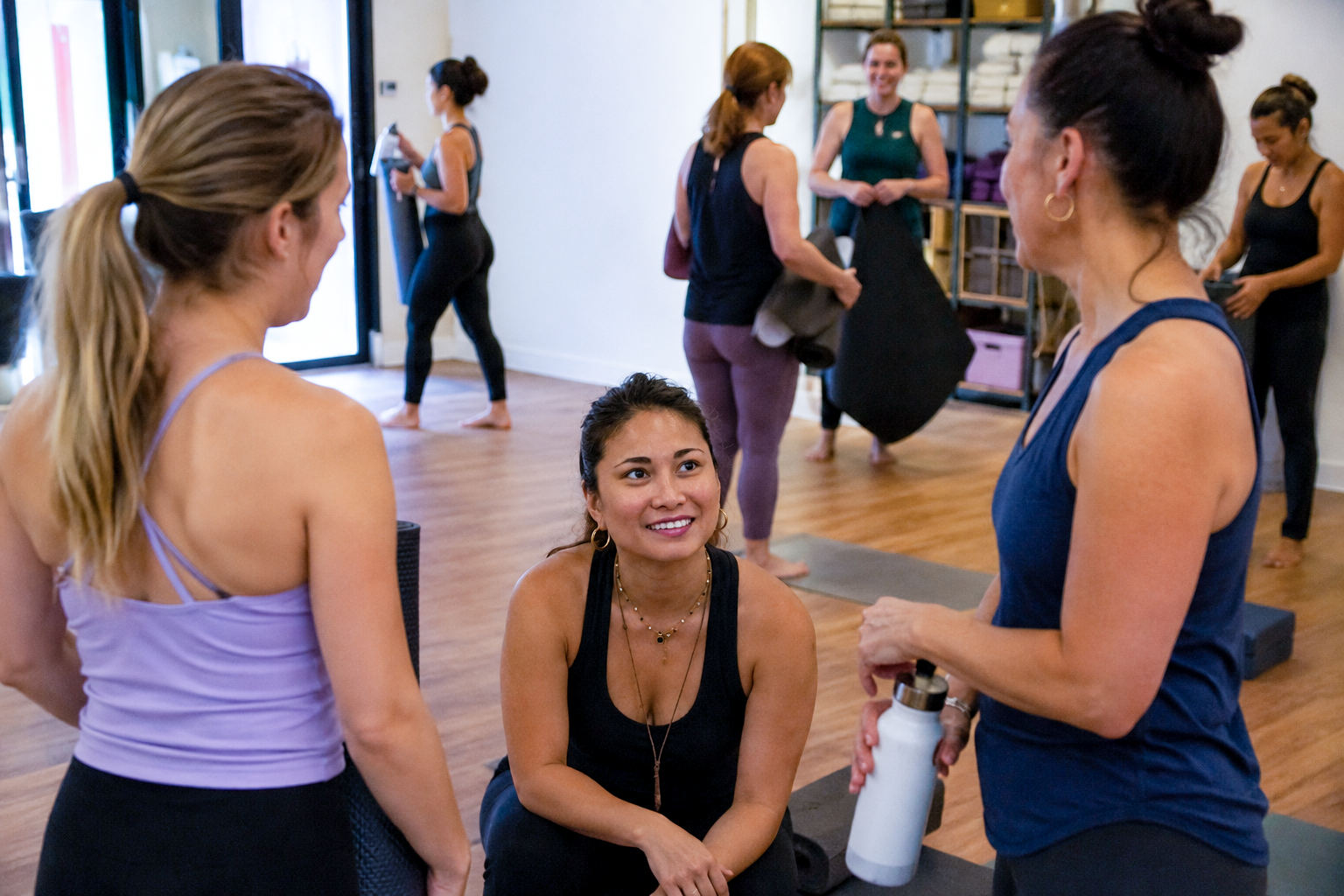
Who is walking into the room today?
How might they be feeling?
What do they need more of?
What do they probably need less of?
Sometimes the class needs strength. Sometimes they need to slow down.
Sometimes they simply need permission to breathe without feeling like they have to accomplish something.
Those answers influence every decision that follows.
Not because I throw my plan away, but because my plan serves the people - not the other way around.
Stop Chasing the Perfect Sequence
Here's something I wish someone had told me years ago.
There isn't one perfect sequence.
There are thoughtful decisions.
I've taught classes that looked incredible on paper and fell completely flat once real people walked into the room.
I've also changed a sequence halfway through because the energy in the room told me something different than my awesome sequence did.
I've been both teachers.
Neither experience made me a bad teacher.
They made me a more responsive one.
The best sequences aren't rigid.
They're adaptable.
Your Students Don't Know Your Plan
This realization was surprisingly freeing.
Your students don't know what was supposed to happen next.
They don't know you skipped Warrior II. They don't know you accidentally taught one side twice.
Trust me.
I've done that more than once.
They only know the experience they're having.
When we become so attached to following our sequence perfectly, we stop noticing what's actually happening in the room.
Ironically, that's often when our teaching becomes less effective.
Before You Plan Your Next Class
The next time you sit down to sequence a class, resist the urge to begin with poses.
Instead, begin with people.
Ask yourself who they'll be when they walk through the studio door.
Tired.
Busy.
Excited.
Nervous.
Returning after time away.
Your sequence will change.
And I think it will become much more meaningful because of it.
If You Remember One Thing…
A thoughtful yoga class isn't built by arranging poses.
It's built by understanding the people who will practice them.
Everything else becomes easier after that.
Continue Learning
If this article resonated with you, here are a few places to continue your journey. Whether you're looking for practical teaching tools or ready to deepen your understanding through mentorship and continuing education, I'd love to support you.
You May Also Enjoy